
- Drawing and painting
- Collage-making
- Creative writing and journaling
- Sculpting
- Vision boards
- Symbolic artwork
- Photography-based activities
- Mindfulness-based creative exercises
- Guided art prompts
Helping Children, Teens, and Adults Heal Through Creative Expression
Art Therapy in Chicago and the Western Suburbs
Sometimes emotions are difficult to explain with words alone. Anxiety, trauma, grief, stress, low self-esteem, relationship challenges, and major life changes can create feelings that are overwhelming, confusing, or difficult to communicate.
At Grace Integrated, we provide compassionate Art Therapy for children, adolescents, and adults throughout Chicago and the western suburbs. Art therapy uses creative expression within a therapeutic relationship to help individuals explore emotions, process experiences, develop coping skills, and gain greater self-awareness.
No artistic ability or experience is required. Art therapy is not about creating a perfect picture or producing something “good” – it is about using creativity as a tool for reflection, communication, emotional expression, and growth.
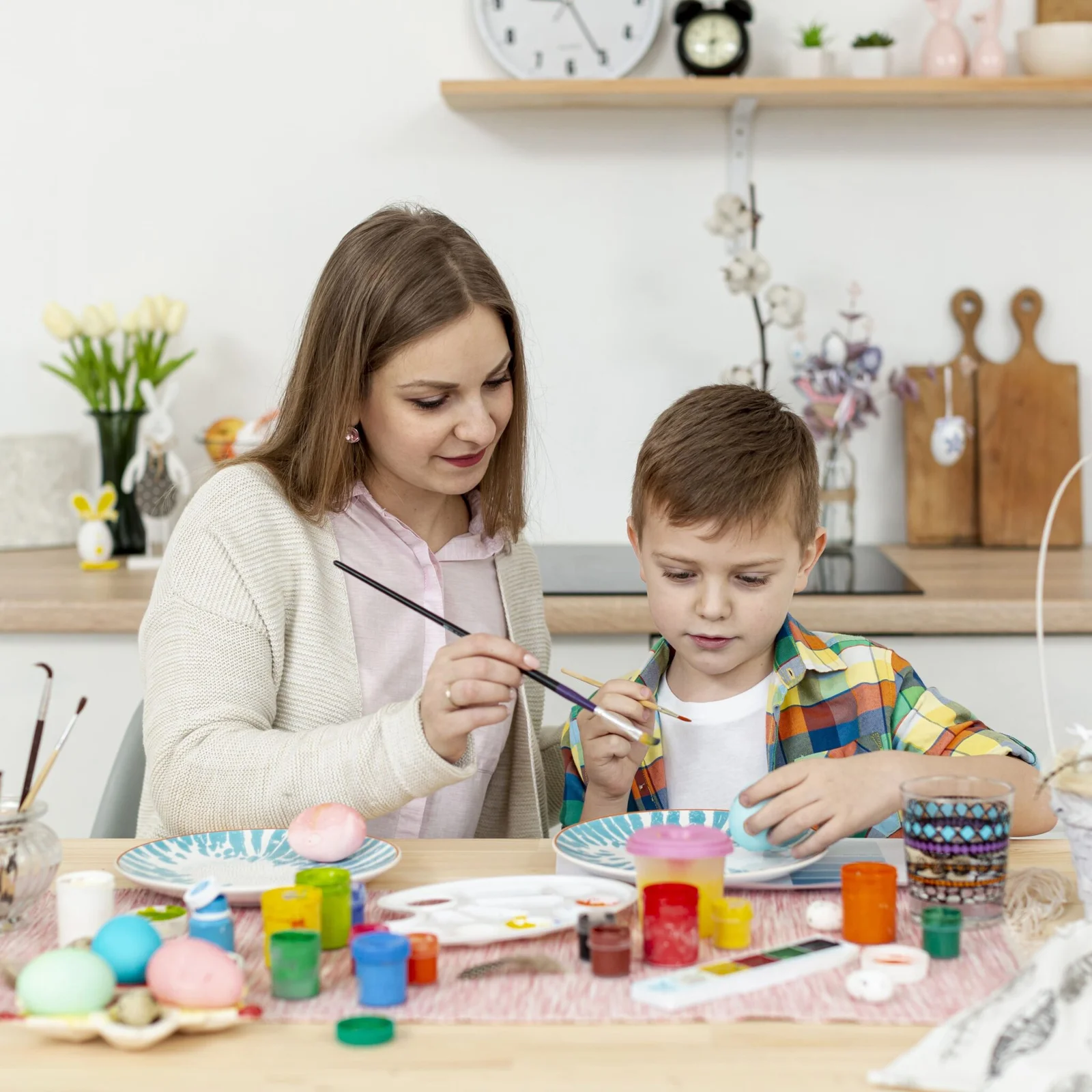
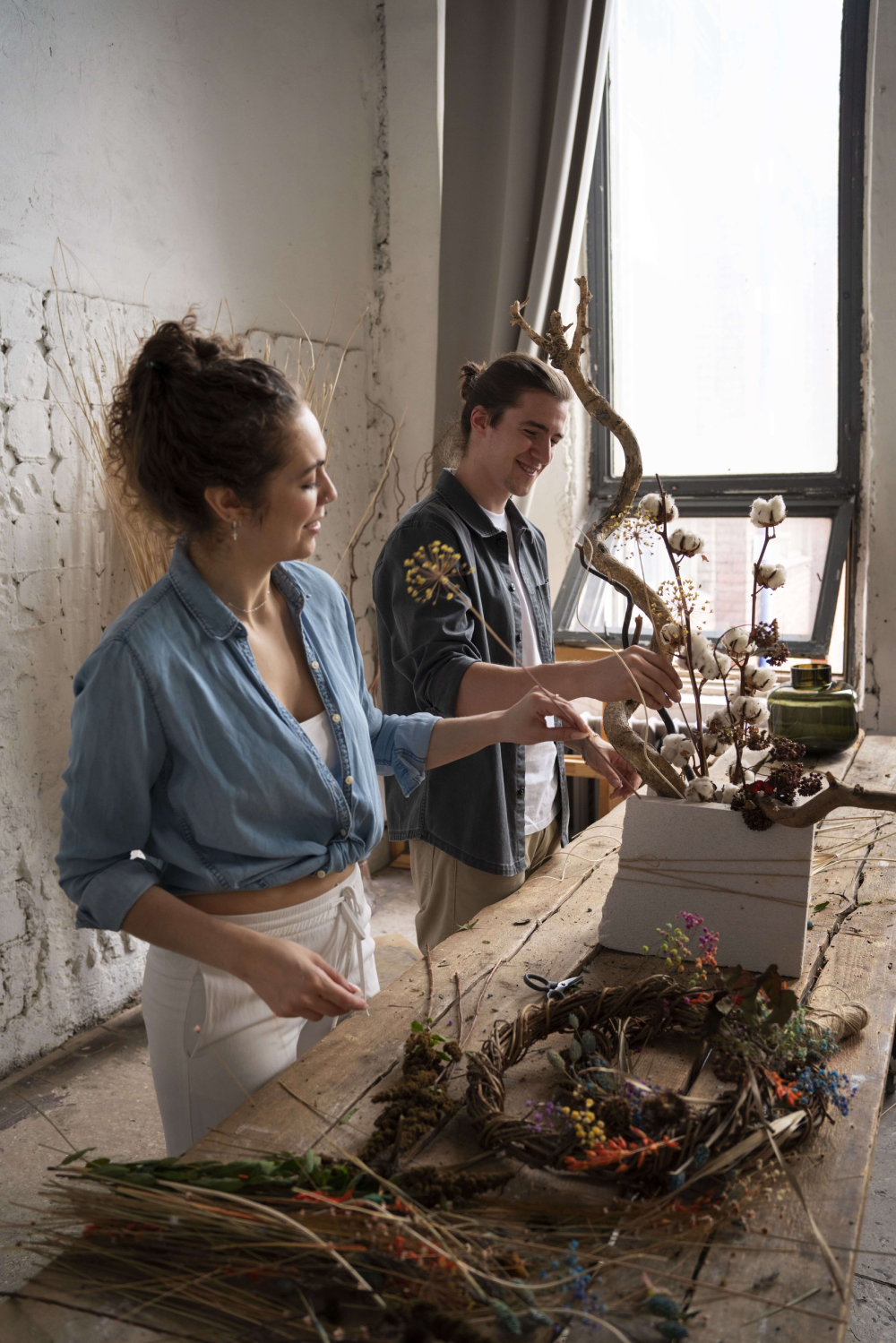
Overview
What Is Art Therapy?
Art therapy is not an art class, and clients do not need to consider themselves artistic. The focus is not on the final product—it is on the meaning, emotions, and insights that emerge through the creative process.
Creating art can help people:
- Express emotions that feel difficult to put into words
- Explore personal experiences and patterns
- Process stressful or traumatic events
- Develop healthier coping strategies
- Increase self-awareness
- Build confidence and self-esteem
- Practice mindfulness and emotional regulation
Art Therapy is a therapeutic approach that uses creative processes to support emotional healing, self-exploration, and personal growth. While traditional talk therapy relies primarily on verbal communication, art therapy incorporates visual and creative expression as another way to understand thoughts, feelings, memories, and experiences.
At Grace Integrated, art therapy is individualized based on each person’s age, developmental level, personality, goals, and therapeutic needs. Depending on the therapist’s training and your goals, treatment may incorporate approaches such as trauma-informed therapy, Cognitive Behavioral Therapy (CBT), Acceptance and Commitment Therapy (ACT), mindfulness-based interventions, attachment-based approaches, or other evidence-based methods.
Is this the right time?
Signs You May Benefit From Art Therapy
Art therapy can be helpful for children, teens, and adults who are experiencing emotional challenges, difficulty expressing feelings, or a desire for deeper self-understanding.
You or your child may benefit from art therapy if experiencing:
Anxiety or excessive worry
Stress and overwhelm
Trauma or difficult life experiences
Grief and loss
Depression or sadness
Difficulty identifying or expressing emotions
Low self-esteem or self-confidence
Anger or emotional regulation challenges
Difficulty communicating needs
Family changes or relationship stress
Divorce or separation
School-related stress
Social difficulties
Major life transitions
Chronic illness or medical stress
Identity exploration
Perfectionism or fear of failure
Creative expression can help individuals safely explore emotions, gain insight, and develop new ways of coping.
Treatment Options
How Art Therapy Can Help
Art therapy supports emotional, psychological, and relational growth by providing a creative way to explore experiences and develop new skills.
01
Anxiety and Stress
Art therapy can help individuals slow racing thoughts, identify sources of stress, express worries, and develop calming strategies through mindfulness and creative activities.
02
Trauma and Difficult Experiences
Creative expression can provide a safe, gradual way to process traumatic experiences while helping individuals reconnect with feelings of safety, control, and resilience.
03
Emotional Expression and Communication
Some emotions are difficult to explain verbally. Art therapy provides another language for exploring sadness, anger, fear, confusion, and other complex feelings.
04
Grief and Loss
Art therapy can support individuals processing death, separation, divorce, changes in relationships, or other significant losses by creating space for remembrance, reflection, and healing.
05
Self-Esteem and Confidence
Creative activities can help individuals recognize strengths, explore identity, challenge negative self-beliefs, and develop a stronger sense of self-worth.
06
Children and Adolescent Emotional Development
Children and teens often communicate through creativity before they can fully explain their experiences. Art therapy helps younger clients express feelings, develop coping skills, and strengthen emotional awareness.
07
Life Transitions
Art therapy can support individuals navigating major changes such as moving, career changes, relationship changes, parenting transitions, or other periods of uncertainty.
08
Emotional Regulation
Creative activities can help individuals recognize emotions, understand triggers, calm their nervous system, and practice healthier responses to strong feelings.
How We Help
What Art Therapy Looks Like at Grace Integrated
Every person’s experience with art therapy is unique. Sessions are designed around the client’s goals, comfort level, and therapeutic needs.

Identifying Your Goals
Depending on your goals, art therapy activities may include:

Exploring Meaning and Patterns
Your therapist may help you reflect on:
- What emotions show up during the creative process
- Themes or patterns in your artwork
- Personal strengths and resources
- How creative expression connects to your experiences
- New ways to understand yourself

Developing Coping Skills
Art therapy may help clients practice:
- Emotional awareness
- Stress management
- Self-compassion
- Problem-solving
- Grounding techniques
- Communication skills
- Healthy emotional expression

Partnering With Parents When Working With Children
For children receiving art therapy, parents are an important part of the therapeutic process.
Depending on your child’s needs, therapy may include:
- Parent consultation sessions
- Guidance for supporting emotional expression at home
- Strategies for responding to behaviors
- Communication tools
- Collaboration around family or school concerns

Creating a Safe and Supportive Space
The foundation of art therapy is the therapeutic relationship. Your therapist will create an environment where you can explore emotions without judgment, pressure, or expectations.
Understanding Relationship Patterns
Related Therapy Approaches
Art therapy is often integrated with other evidence-based approaches depending on the client’s needs.
Treatment may incorporate:
Trusted Excellence
Why Choose Grace Integrated?
At Grace Integrated, we believe healing can happen through many forms of expression. Art therapy provides a unique opportunity to explore emotions, build insight, and develop healthier ways of coping.
Families and individuals choose Grace Integrated because we offer:
Compassionate, individualized care
Creative approaches to emotional healing
Trauma-informed therapy
Therapists experienced in working with children, teens, adults, and families
Evidence-based therapeutic approaches
A supportive and welcoming environment
Personalized treatment plans
In-person appointments throughout Chicago and the western suburbs
Secure telehealth options when appropriate
Because every clinician has unique training and specialties, the specific art therapy techniques used will vary based on your therapist and your individualized treatment plan.
Your Journey
What to Expect During Art Therapy

Initial Consultation
Your therapist will learn about your concerns, history, strengths, goals, and what brings you to therapy.

Building Comfort and Trust
Early sessions focus on creating a safe therapeutic relationship and helping you become comfortable with creative expression.

Creative Exploration and Therapeutic Work
Through art-making and discussion, you will explore emotions, experiences, patterns, coping strategies, and personal strengths.

Ongoing Growth and Support
Over time, many clients experience:
- Increased emotional awareness
- Improved coping skills
- Reduced stress and anxiety
- Greater confidence
- Stronger communication
- Improved self-understanding
- Healthier emotional expression
- Increased resilience
Art therapy helps individuals develop tools for navigating challenges while building a deeper connection with themselves.
Serving Chicago and the Western Suburbs
Grace Integrated proudly provides Art Therapy throughout Chicago, including our Loop and West Town offices, as well as surrounding western suburban communities including Oak Brook, Elmhurst, Lombard, Riverside, Westmont, and nearby areas.
We also provide therapy and support services throughout Illinois through secure telehealth options.
questions & answered
Frequently Asked Questions
Do I need to be artistic to participate in art therapy?
No. Art therapy is not about artistic skill or creating something impressive. The focus is on self-expression, reflection, and emotional healing.
What ages can benefit from art therapy?
Art therapy can be helpful for children, adolescents, and adults. Creative approaches are adapted based on developmental level and individual needs.
What happens if I do not know what to create?
Your therapist will provide guidance, prompts, and support. You do not need to arrive with ideas or artistic experience.
Is art therapy only for children?
No. While art therapy is commonly used with children, teens and adults can also benefit from creative approaches to processing emotions, trauma, stress, relationships, and life transitions.
Is art therapy evidence-based?
Yes. Research supports creative arts interventions as helpful components of therapy for emotional regulation, trauma recovery, anxiety, depression, grief, and personal growth when provided by trained clinicians.
CONTACTS
Find Healing Through Creative Expression
You do not have to have the perfect words to begin therapy.
Through art therapy, individuals can explore emotions, process experiences, strengthen coping skills, and discover new ways to understand themselves.
At Grace Integrated, our therapists provide a safe, supportive environment where children, teens, and adults can use creativity as a pathway toward healing and growth.