Therapists may incorporate activities that help children:
- Recognize emotions
- Calm their bodies
- Express feelings appropriately
- Solve problems
- Practice social skills
- Build confidence
- Increase frustration tolerance
We provide support Monday - Saturday from 8.00 AM to 9.00 PM

Helping Children Heal, Grow, and Express Themselves Through Play
For many children, play is their natural language.
At Grace Integrated, we provide compassionate, developmentally appropriate Play Therapy for children throughout Chicago and the western suburbs. Through play, children can safely express emotions, process difficult experiences, develop coping skills, and strengthen their sense of security and confidence.

Overview
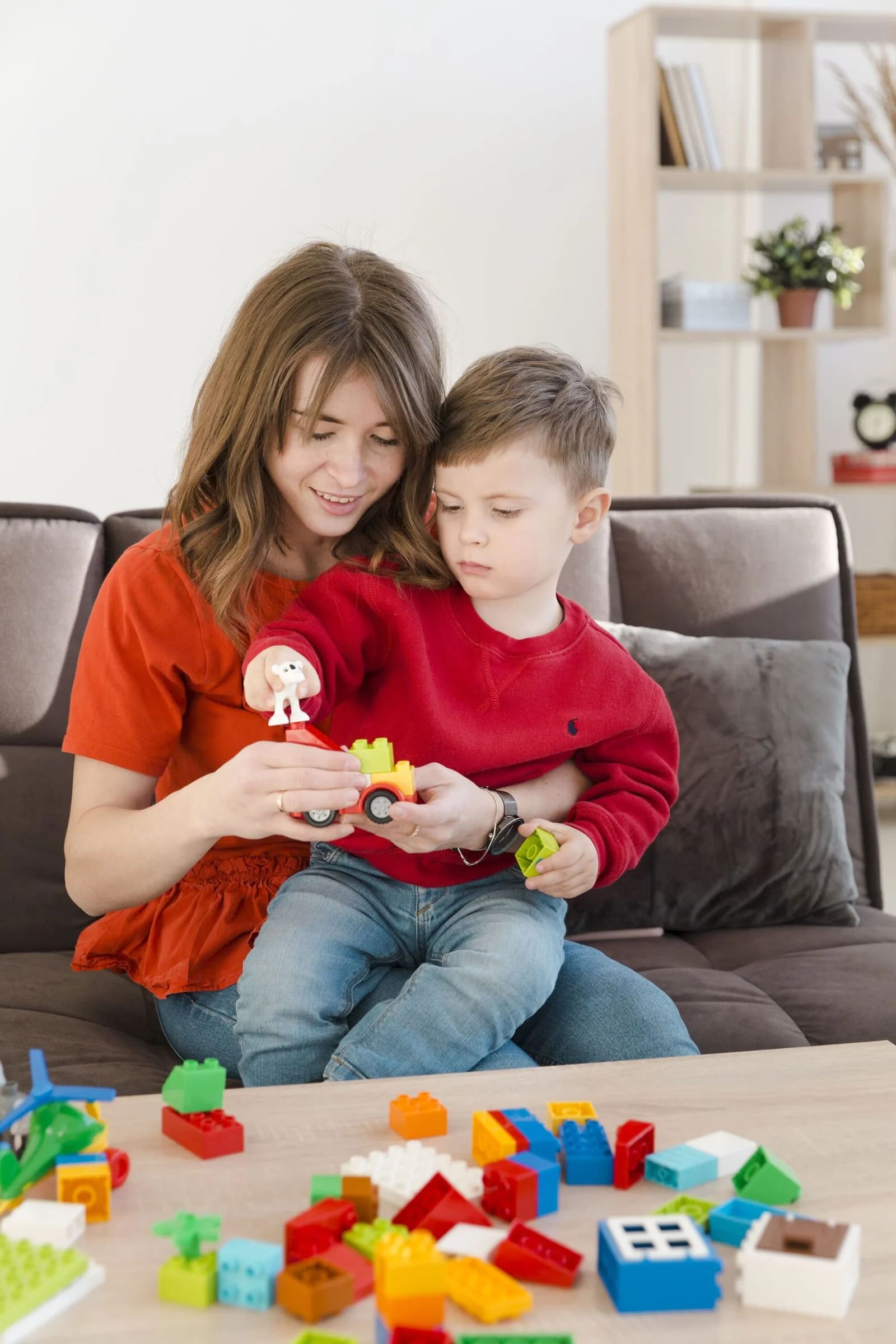
Our therapists create a supportive environment where children can communicate through toys, art, storytelling, movement, and imaginative play while building a trusting relationship with a caring adult.
Whether your child is struggling with anxiety, behavioral challenges, trauma, grief, social difficulties, or a major life transition, play therapy can provide a safe and effective path toward healing and growth.
Play Therapy is an evidence-based therapeutic approach designed specifically for children. Because young children often lack the developmental ability to fully express complex emotions through conversation alone, play becomes a powerful way for them to communicate their inner experiences.
In play therapy, children may use:
These activities are not simply entertainment—they help children express feelings, process experiences, practice problem-solving, and develop emotional regulation skills in a way that matches their developmental stage.
At Grace Integrated, play therapy is always tailored to the individual child. Depending on your child’s needs and your therapist’s training, treatment may incorporate child-centered, cognitive-behavioral, attachment-based, trauma-informed, or other evidence-based play therapy techniques.
Is this the right time?
Children do not always say, “I’m anxious” or “I’m struggling emotionally.” Instead, emotional distress often appears through behavior, physical complaints, or changes in functioning.
Treatment Options
How We Help
Every child is different, so therapy is individualized based on their age, personality, developmental level, and specific concerns.



Therapists may incorporate activities that help children:

Depending on your child’s needs, therapy may include:
Our goal is not only to help your child during sessions, but also to strengthen the support system around them.
Understanding Relationship Patterns
Because children’s needs vary, play therapy is often integrated with other evidence-based approaches.
Depending on your therapist’s training and your child’s goals, treatment may also incorporate:
Trusted Excellence
Your Journey

Your therapist will meet with parents or caregivers to understand your child’s concerns, developmental history, family context, strengths, and goals for therapy.

Your child will begin meeting with the therapist in a play-based environment designed to foster comfort, safety, and trust.

Through play, creative activities, and the therapeutic relationship, your child will work on emotional expression, coping skills, behavioral regulation, and processing difficult experiences.

Parents receive feedback, guidance, and strategies to support their child’s progress at home while respecting the child’s confidentiality and therapeutic process.

Many children experience:
Play therapy helps children develop the emotional tools they need not just for today, but for future stages of development as well.
Grace Integrated proudly provides Play Therapy throughout Chicago, including our Loop and West Town offices, as well as surrounding western suburban communities including Oak Brook, Elmhurst, Lombard, Riverside, Westmont, and nearby areas.
We also offer parent consultation and family support services throughout Illinois.
questions & answered
Play therapy is most commonly used with children ages 3-12, though play-based techniques may also be helpful for adolescents depending on their needs and developmental level.
The length of therapy varies based on the child’s concerns, age, family circumstances, and treatment goals. Some children benefit from short-term support, while others may need longer-term therapy.
Parents receive regular updates about themes, progress, and strategies for support. However, children also need a degree of privacy to build trust and express themselves freely in therapy.
Yes. Research supports play therapy for concerns such as anxiety, trauma, behavioral difficulties, grief, social challenges, and emotional regulation when provided by appropriately trained clinicians.
That’s one of the reasons play therapy can be so effective. Children are not expected to sit and have adult-style conversations. They can communicate through play, art, stories, movement, and other developmentally appropriate activities.
CONTACTS
At Grace Integrated, our therapists are committed to helping children feel safe, understood, and empowered while partnering closely with parents throughout the healing process.